Laparoscopic vs Open Appendectomy: Key Differences for Early-Career Surgeons
The first time you stand between a laparoscopic stack and an open instrument tray, the choice can feel less like a textbook algorithm and more like a test of judgment. Both operations remove the appendix, and both can be done well. But they ask different things of your eyes, your hands, your team, and your patient. For early-career surgeons, the important question is not simply “Which approach is better?” It is “Which approach is better for this patient, with this pathology, in this operating room, with my current skills and backup?”
Laparoscopic appendectomy is often the default in many centers, and for good reason. It can offer better visualization, less postoperative pain, and faster recovery in many patients. Open appendectomy, however, is not an obsolete operation. It remains essential for difficult anatomy, severe adhesions, perforated disease with a contained mass, resource-limited settings, and situations where speed or direct tactile feedback matters. The key differences are real, but they are not absolute. Understanding them will help you make safer decisions and avoid treating one approach as a badge of surgical identity.
Why the comparison still matters
Appendectomy is one of the first major abdominal operations many trainees learn, but it is not a simple operation. The appendix can be retrocecal, pelvic, subhepatic, or hidden by adhesions. The patient can be thin, obese, pregnant, septic, or medically fragile. The disease can be early and uncomplicated or advanced with perforation, abscess, and widespread contamination. In that range of scenarios, the difference between laparoscopic and open appendectomy is not just a difference in incision length. It is a difference in access, visualization, physiological stress, complication profile, operative time, cost, and the failure modes you must recognize.
For early-career surgeons, the danger is adopting a false hierarchy: laparoscopic is “modern” and open is “old.” That framing is too simple. A well-planned open operation can be the most elegant and safest choice in a difficult case. A poorly planned laparoscopic operation can become long, costly, and dangerous. The goal is not to defend an approach. The goal is to match the approach to the patient and to know when to change course.
Visualization and access: seeing around the corner vs seeing with your hands
The laparoscopic approach gives you a magnified view and access to the entire abdominal cavity through small ports. You can inspect the gallbladder, pelvis, and small bowel, which is especially useful when the diagnosis is uncertain. In a young woman with right lower quadrant pain, laparoscopy can help distinguish appendicitis from ovarian torsion, pelvic inflammatory disease, or an ectopic pregnancy. In a patient with obesity, the camera can often see over the abdominal wall that would make a small open incision difficult.
Open appendectomy gives you direct three-dimensional vision and tactile feedback. You can feel the base of the appendix, assess the consistency of a mass, and judge tissue quality with your fingers. In dense adhesions, a low-lying cecum, or a retrocecal appendix fixed to the posterior wall, that tactile information can be invaluable. The tradeoff is that exposure may require a larger incision, more retraction, and more handling of the abdominal wall. In a thin patient with a clear diagnosis and an appendix near the surface, open appendectomy can be quick, reliable, and straightforward.
Example: the atypical presentation
Consider a 28-year-old woman with lower abdominal pain, nausea, and a mildly elevated white blood cell count. The diagnosis is unclear. A laparoscopic approach allows you to inspect the pelvis and upper abdomen, confirm appendicitis, and rule out other pathology. Now consider a 55-year-old man with a firm right lower quadrant mass, fever, and a CT scan showing a perforated appendicitis with a contained abscess. Laparoscopy may still be possible, but dense inflammation and obscured planes may make an open approach or a planned conversion safer. The difference is not the operation’s name. It is the anatomy and the pathology in front of you.
Operative steps and decision points
In laparoscopic appendectomy, you typically establish pneumoperitoneum, place ports, inspect the abdomen, mobilize the appendix, divide the mesoappendix, ligate or staple the base, and extract the specimen. Each step has a decision point. Is the base healthy enough for a ligature, or does it need a stapler? Is the appendix too thick or friable for a loop? Is there an abscess that needs drainage? Is the inflammation so dense that conversion will be safer than continuing to dissect?
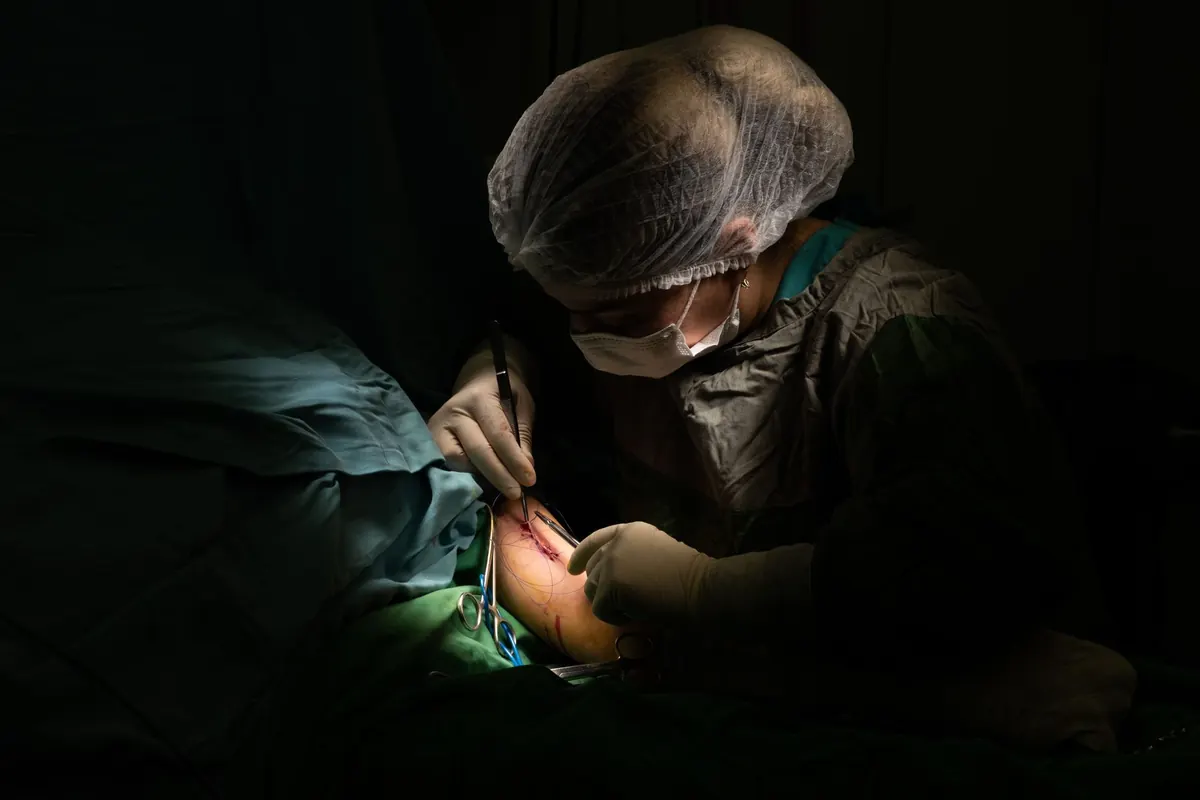
In open appendectomy, you make a focused incision, divide the muscle layers, enter the peritoneum, deliver the appendix, ligate the base, divide the mesoappendix, and close. The steps are conceptually simpler, but the operation still demands judgment. You must decide whether the incision is adequate, whether the cecum is mobile enough to deliver, and whether a drain or additional washout is needed. In both approaches, the most important decisions often happen before you divide anything: confirming the diagnosis, assessing the base, and recognizing when the operation is becoming more dangerous than it needs to be.
Pain, recovery, and cosmesis
Many patients experience less postoperative pain and return to normal activity sooner after laparoscopic appendectomy. Smaller incisions generally mean less wound pain, shorter hospital stays in many settings, and better cosmetic results. For patients who value a quick return to work or school, that matters. But the advantage is not universal. Some patients still have significant pain from pneumoperitoneum, port sites, or inflammation. Operative time can be longer, especially early in a surgeon’s learning curve, and the cost of disposable instruments can be higher.
Open appendectomy may involve more wound pain and a longer recovery, but it can be faster in a straightforward case and avoids the physiological effects of pneumoperitoneum. In a patient with severe cardiopulmonary disease, the anesthesia and insufflation considerations may influence the choice. In a resource-limited setting, open appendectomy may be the more practical and sustainable option. The best approach is the one that gives the patient a safe operation with a recovery profile that fits their circumstances, not the one that looks best on a poster.
Complications: different profiles, not just different rates
Both operations can be complicated by bleeding, infection, ileus, stump leak, and intra-abdominal abscess. The profiles differ. Laparoscopic appendectomy is associated with fewer wound infections and shorter hospital stays in many studies, but it introduces risks related to ports and pneumoperitoneum, such as port-site hernia, visceral injury during entry, subcutaneous emphysema, and carbon dioxide-related physiological changes. Intra-abdominal abscess after perforated appendicitis remains a concern, and the evidence comparing abscess rates between approaches is nuanced rather than one-sided.
Open appendectomy carries a higher risk of wound infection, wound dehiscence, and nerve injury related to a larger incision. It may also involve more postoperative pain and a longer recovery. Neither approach protects you from a missed diagnosis, an inadequate washout, or a poorly secured stump. Early-career surgeons should focus less on memorizing a single complication rate and more on recognizing the failure modes of the approach they are using. A laparoscopic operation that is converted late may combine the risks of both approaches. An open operation that is too small may compromise exposure and control.
Special situations and the conversion decision
Conversion from laparoscopic to open appendectomy is not a failure. It is a judgment call, and it is often the right one. You should convert when exposure is inadequate, when anatomy is unclear, when bleeding is difficult to control, when the appendix is buried in dense adhesions, when there is a large inflammatory mass, or when the operation is taking too long with no clear progress. The earlier you recognize the need to convert, the better the outcome is likely to be. A late conversion after prolonged insufflation and dissection can be harder on the patient and on your team.
The safest operation is not the one that matches your preferred technique. It is the one that gives the patient the right operation with the least avoidable harm.
Obesity, pregnancy, perforated appendicitis, and a retrocecal appendix are common scenarios where the decision deserves extra thought. In pregnancy, laparoscopy can be safe with appropriate port placement and insufflation pressure, but open surgery may be preferred in some situations. In obesity, laparoscopy often improves visualization, but port placement and instrument reach can be challenging. In perforated disease with a contained abscess, you must decide whether drainage, antibiotics, and delayed interval appendectomy are appropriate, and whether laparoscopy or open surgery gives you the best control of contamination. These are not decisions to make by habit.
Training and the learning curve
Laparoscopic appendectomy requires different skills from open appendectomy. You need camera coordination, depth perception, two-handed dissection, instrument angulation, and teamwork with an assistant. You also need to recognize when the camera is showing you only part of the story. Open appendectomy builds tactile judgment, tissue handling, knot tying, and exposure skills. Early-career surgeons should learn both, not as competing traditions but as complementary tools.
Deliberate practice matters. Simulation, video review, and graded responsibility help. So does honest reflection after difficult cases. If you converted, ask why. If you struggled with exposure, ask what would have made it better. If you had a port-site complication, review the entry technique. The learning curve is not just about speed. It is about recognizing risk earlier, choosing the right approach, and knowing when to ask for help.
A practical framework for early-career surgeons
- Confirm the diagnosis and the pathology. Is this uncomplicated appendicitis, perforated appendicitis, an abscess, or an alternative diagnosis? The answer changes the approach.
- Assess the patient. Consider obesity, pregnancy, cardiopulmonary disease, prior surgery, and hemodynamic stability. The patient’s physiology matters as much as the appendix.
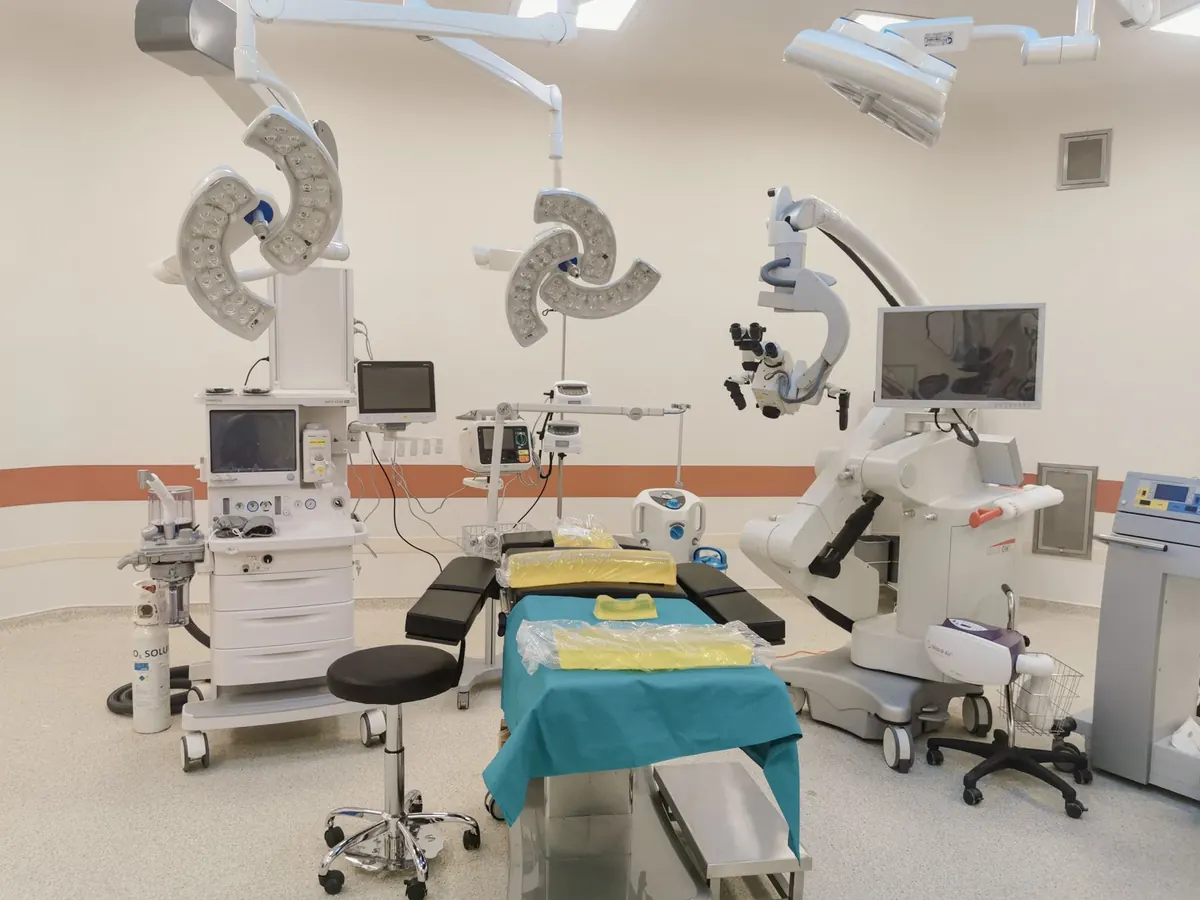
- Assess your environment. Do you have a functioning laparoscopic stack, trained assistance, appropriate instruments, and open backup? A good operation depends on the system around you.
- Plan the operation, including the conversion point. Decide in advance what would make you convert. Share that plan with the team.
- Protect the wound and the abdomen. Use careful extraction, irrigation when indicated, and thoughtful closure. The appendix is removed, but the contamination risk remains.
- Review the outcome. Track pain, length of stay, wound infection, abscess, and return to activity. Use that feedback to refine your judgment.
This framework is deliberately simple. It keeps you focused on the patient rather than on the equipment. It also reminds you that laparoscopic and open appendectomy are not rivals. They are two ways to solve the same clinical problem, and the best surgeons know how to use both.
Bottom line
Laparoscopic appendectomy offers advantages in visualization, postoperative pain, recovery, and cosmesis for many patients. Open appendectomy remains indispensable for difficult anatomy, severe inflammation, resource-limited settings, and situations where direct tactile feedback or speed matters. The key differences for early-career surgeons are access, visualization, recovery, complication profiles, conversion judgment, and training. Choose the approach that fits the patient, the pathology, the setting, and your skills. Then be willing to change your plan when the operation tells you to.